The Number You Hand Out, Not the One You Keep
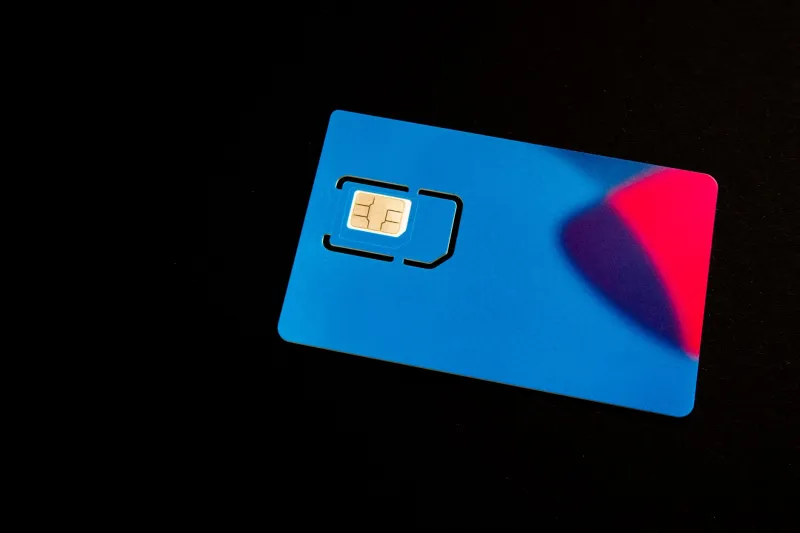
There is a particular kind of exhaustion that comes from giving your real mobile number to a stranger on Facebook Marketplace. First comes the haggling. Then come the missed calls at 9pm. Then, three weeks later, a text about a warranty you never bought. A second SIM will not fix the human urge to haggle, but it can keep your primary UK number out of the blast radius.
The idea is simple: one line for people you know, one line for transactions. This is not about dodging the law or living like a character in a thriller. It is basic privacy hygiene, the same instinct that makes you use a separate email address for newsletters. Your dual-SIM phone already has the hardware. You just need a plan for which line does what.
The second line is a doormat, not a vault
A good disposable contact number should be easy to give away and hard to trace back to your main life. That means it should not be attached to your bank, your main Apple or Google account, your work email, or anything that matters if it disappears.
Think of it as a doormat. People can wipe their feet on it. When it gets grotty, you replace it. What you do not do is hide your house keys under it.
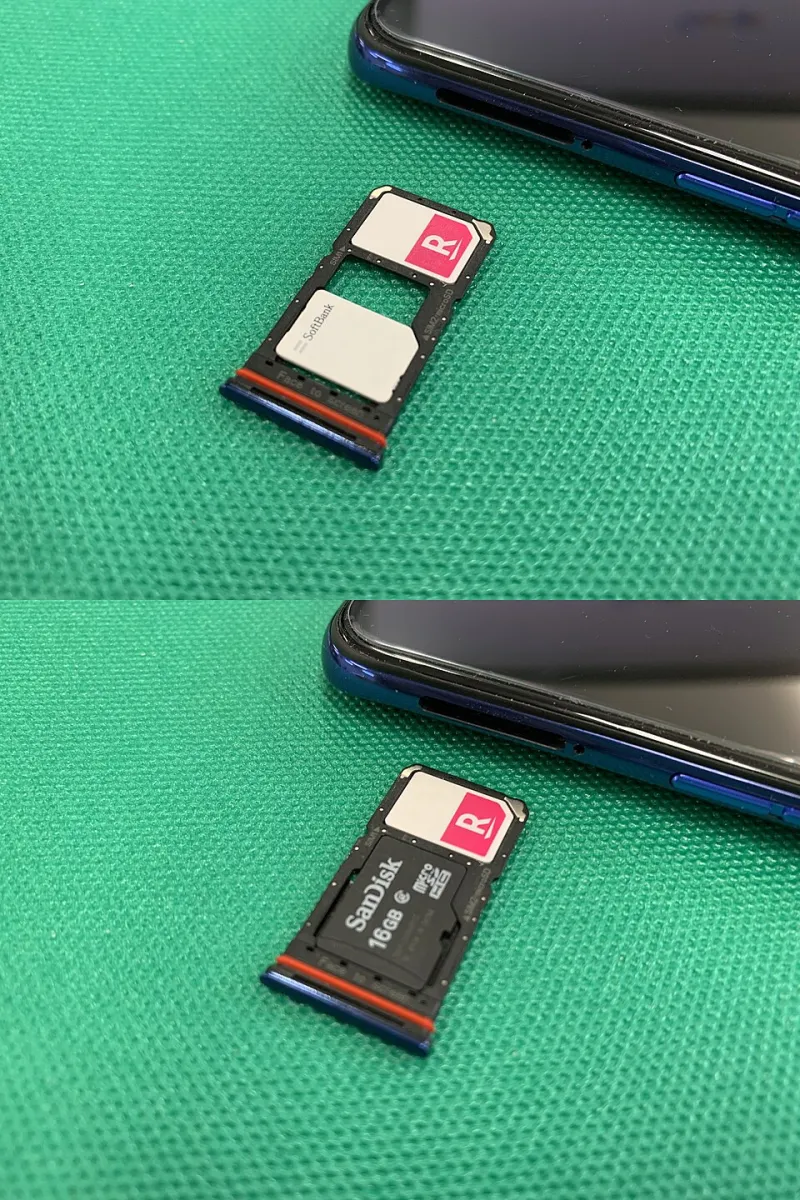
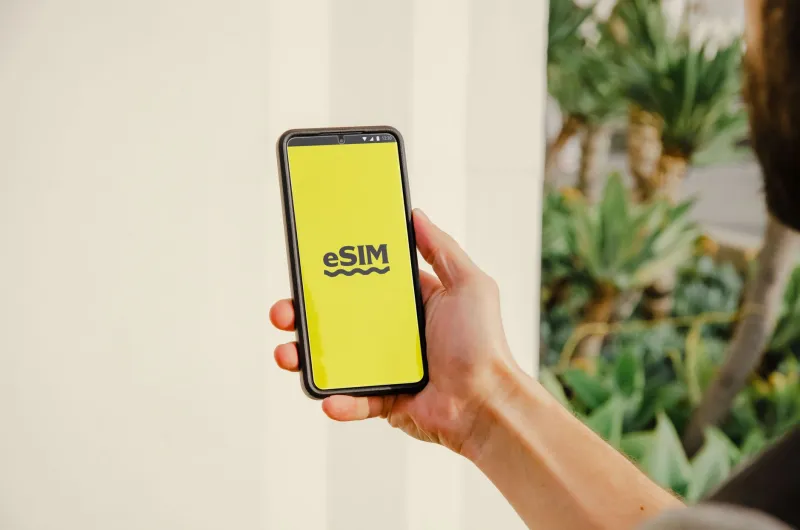
For most people, a cheap PAYG SIM from a UK network is the easiest starting point. You want something that can receive SMS and take the odd call. Data is a bonus, not the point. An eSIM is even tidier if your handset supports one, because you can add it without hunting for a tray tool. The article on this site about working out your phone's real eSIM capacity is worth a read before you assume you have a spare slot.
Make the routing obvious, not clever
Dual-SIM phones are brilliant at letting you choose a default line for calls, texts and data. They are less brilliant at guessing your intent. Set the defaults deliberately.
In Settings, label the SIMs clearly. 'Main' and 'Marketplace' is all you need. Then set your primary number as the default for calls and texts, so you do not accidentally ring your mum from the throwaway line. Set mobile data to your main SIM unless you have a specific reason to use the cheap one. Roaming charges and data caps are not part of this experiment.
For outbound calls from the second line, get into the habit of checking the little SIM badge on the dialler before you press call. Some phones let you set a per-contact default line, which is useful for the one courier firm you deal with regularly. For everyone else, treat the second line as inbound-first: you give it out, they call you, you answer on whichever SIM lights up.
Voicemail is the bit people forget. A cheap line with a full voicemail box is worse than no line at all. Record a neutral greeting, or turn voicemail off entirely if the network allows it. You are not running a call centre.
Verification codes are the sharp edge
Here is where disposable numbers get people into trouble. A lot of services now treat a mobile number as proof of identity. If you use the second line to sign up for a marketplace account, that is fine. If you use it for your bank, your main email account or your password manager, you are building a house on sand.
Keep the split clean. Financial accounts, Government Gateway, HMRC, your main email and anything with payment details stay on the primary number. The second line is for retail accounts, loyalty schemes, parcel notifications and the sort of sign-up form that asks for a phone number before it will show you a price.
When a verification code arrives, deal with it immediately. Do not forward it to anyone, even if the person asking sounds like the platform's support team. Genuine companies do not ask you to read out a code. If the second line starts receiving codes you did not request, that is a signal to check which accounts are attached to it.
The UK number-reuse rule you cannot ignore
Mobile numbers in the UK are not yours forever. Ofcom oversees the numbering system, and providers operate quarantine and recycling processes before dormant numbers go back into the pool. In practice, that means a PAYG line you stop topping up can eventually be reclaimed and issued to someone else.
That is why you should never treat a cheap second SIM as a permanent identity. If the line lapses, the next person might inherit the tail end of your sign-ups. Worse, you might lose access to an account that used it for recovery. Before you let a line go dark, log in to every service that knows the number and change it.
This also cuts the other way. If you are issued a recycled number, you may get stray texts meant for its previous owner. Do not reply, do not click, and do not assume the number is clean. A fresh PAYG SIM is usually the safer choice for a new disposable line.
Retire the line before it retires you
A throwaway number has a natural lifespan. For a single Marketplace sale, that might be a fortnight. For a stream of eBay sales or courier deliveries, it might be a year. The moment the spam outweighs the convenience, or the top-ups stop feeling worth it, start the retirement process.
First, list every account that uses the number. Marketplaces, courier apps, loyalty cards, that one hotel booking site. Change the contact number to your main line or delete the account. Second, check for any two-factor authentication that relies on SMS. Move it to an authenticator app or your primary number. Third, stop topping up and let the line expire. You do not need to port it anywhere unless you have grown attached, and you probably should not grow attached.
If you are recycling the SIM itself, wipe any stored contacts and messages. Most phones let you do this per-SIM. It is a small step, but it keeps the next phase of your two-line life tidy.
The ten-minute setup
Put the cheap SIM or eSIM in the phone. Label it 'Marketplace'. Set your main line as the default for calls, texts and data. Turn off voicemail on the second line or record something bland. Add the number to the marketplace and courier accounts you actually use. Keep banks and government services on the primary line. Diarise a check-in in three months to see whether the line is still earning its keep.
That is it. No burner-phone mystique, no shady behaviour. Just a second number doing the messy public-facing work while your real one stays out of the scrum.