The Fiver in Your Pocket: Why a Cheap Second Line Is Proper Outage Insurance
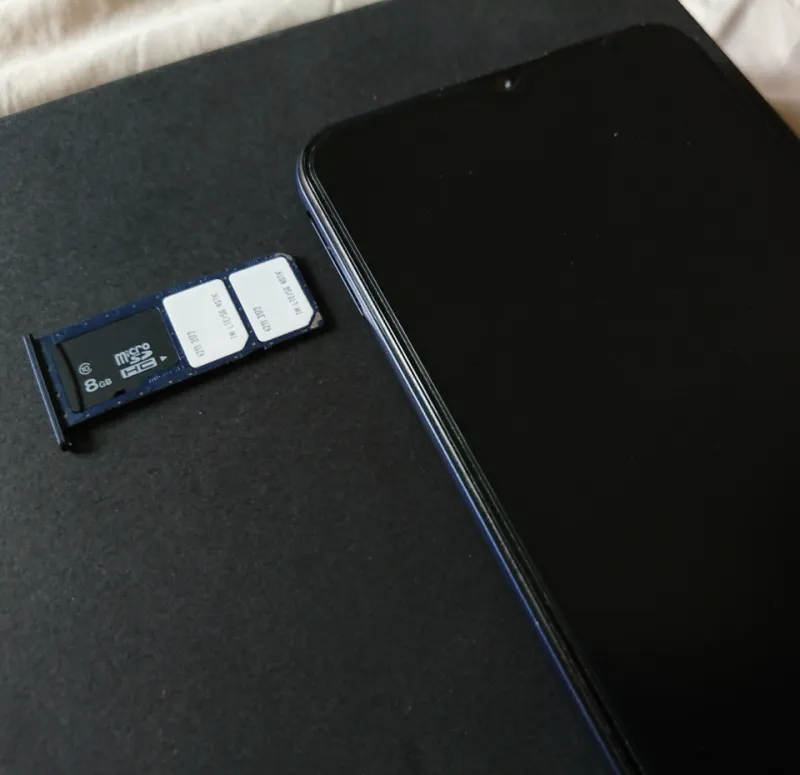
Photo: Paowee, CC BY-SA 4.0, via Wikimedia Commons
You know the feeling. You are on a packed Northern line train, or halfway through a video call from a Travelodge in Leeds, and your main network decides to have a lie-down. One bar, no data, and the little spinner of doom. A second SIM from a different UK network will not magically fix the first one. But it can keep you reachable, online, and mildly less annoyed. That is the case for a cheap backup line: not a luxury, just sensible outage insurance.
What outage insurance actually looks like
Think of it as a spare tyre rather than a second car. You keep a cheap PAYG or data SIM from a network that is not your main one, sitting in the second slot of your dual-SIM phone. If your main network is EE, the backup might be Vodafone, O2, Three, or an MVNO running on one of those. If your main is Vodafone, pick something else. The point is physical and commercial separation, not brand loyalty.
Most modern dual-SIM handsets are dual-SIM dual-standby. That means both lines can be reachable, but you are not usually running two active calls at once. For outage insurance, that is fine. You want a line that can receive a call, send a text, and give you data when the primary line is having a wobble.
Set it up before you need it
Call forwarding is the clever bit. While your main line still has signal, set up conditional forwarding to your backup number. The usual options are forward when unreachable, when busy, and when there is no reply. Costs vary by network and plan, so check before you rely on it. Some networks include forwarding, some charge per minute, and some bury the setting in an account portal rather than the phone settings.
If you know a maintenance window is coming, you can also switch on forward-all-calls manually. Just remember to switch it off afterwards, unless you enjoy explaining to everyone why your phone rings on the wrong line.
A caveat that catches people out: call forwarding forwards calls, not SMS. Your bank OTP texts will still go to the main number. That is why the backup line is not a full replacement for your main number. It is a survival line.
Label the two lines clearly in settings. Call one Main and the other Backup. Save the backup number in your contacts. Set default data to the main line normally, and know exactly where the toggle lives so you can switch it in a hurry.
Which services keep working
Data is the survivor. If your backup SIM has data, WhatsApp, Signal, iMessage, email, maps, train tickets, and most banking apps will keep working. Calls and texts sent to the backup number will work too. If the backup network supports Wi-Fi calling, you can make calls over hotel or cafe Wi-Fi even when the mobile signal is rubbish.
The weak spot is anything tied to your main number by SMS. Bank OTPs, some delivery notifications, and the occasional two-factor login will still head for the main line. Plan around that with app-based authentication, backup codes, or a login over Wi-Fi where possible. Emergency calls are a special case: 999 can use any available network, but that is a safety net, not a reason to skip the backup SIM.
Test it in real UK blackspots
Do not trust the coverage map. Pick three places that matter: your home, your commute, and a local dead zone you already know about. Switch default data to the backup SIM, temporarily disable the main line, and make a call, send a text, and run a speed test. Do it at 8am and again at 6pm, because peak-time performance is the real test.
Test call forwarding by ringing your main number from another phone while the main SIM is out of signal. Check whether the call lands on the backup. Try a basement, a rural pub, and a train carriage. The goal is not blistering speed. The goal is can I make a call and load a map?
The ongoing cost is tiny
A backup line does not need to be fancy. A £5 top-up or a cheap 1GB monthly plan is usually enough. Many PAYG SIMs need some activity every 90 days to stay alive, so put a reminder in your calendar. MVNOs such as Lebara, Smarty, Giffgaff, and 1pMobile often have low-cost options, and the host network matters more than the logo on the SIM.
If you travel, the backup line can double as a data line for a tablet or a spare phone. That makes the fiver feel less like insurance and more like a useful tool.
A quarterly twenty-minute check
Insurance only works if you check it. Once a quarter, top up the backup, test forwarding, send a text, run a speed test, and confirm the SIM has not expired. Update the backup number in any account that relies on it. Twenty minutes, four times a year, is a small price for a line that works when the main one does not.
A cheap second SIM is not exciting. It is not meant to be. It is the mobile equivalent of a torch in the glovebox: boring, useful, and very welcome when the lights go out.