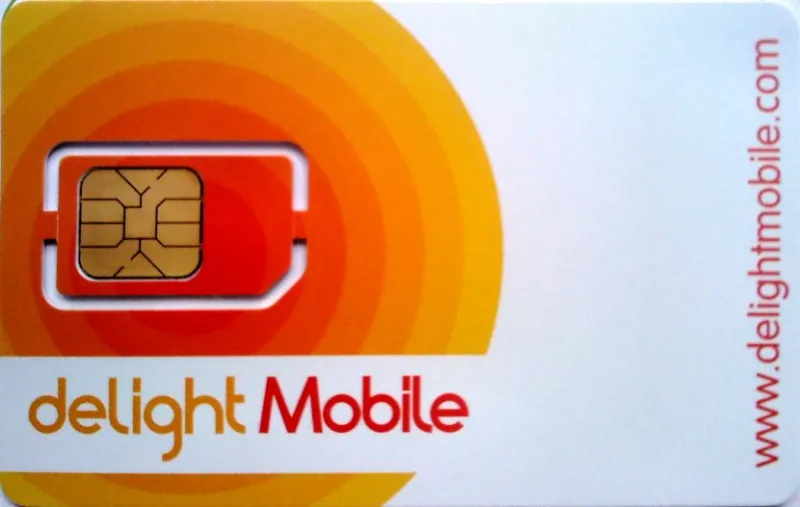
Trays, Please: I'm Not Ready to Surrender the Physical SIM Slot Just Yet
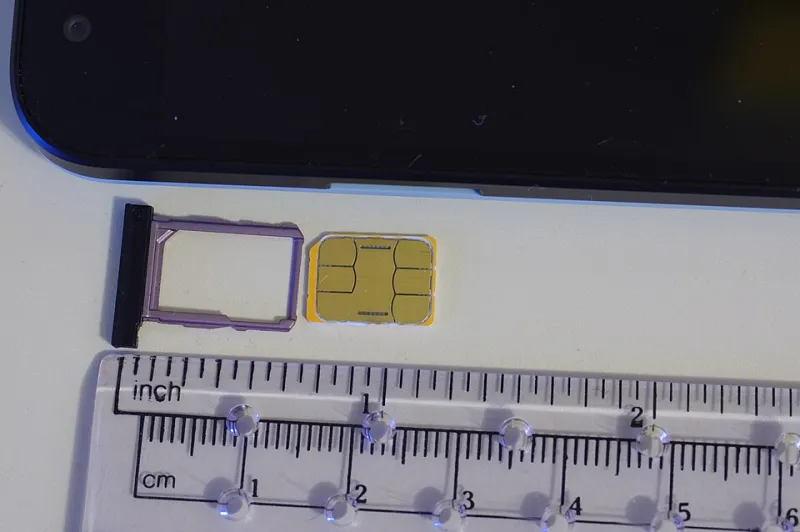
Photo: BwDraco, CC BY-SA 3.0, via Wikimedia Commons
I love eSIM. I really do. Being able to add a second line from a sofa, in about ninety seconds, without hunting for a paperclip, is one of the few genuinely delightful bits of modern mobile tech. But I've spent the last few months watching the physical SIM tray quietly disappear from flagship handsets, and I've come to a conclusion I didn't expect: for anyone who actually runs two lines, that's a loss, not a feature.
The tray is going, and it's going quietly
It started in the US, where Apple dropped the SIM tray years ago and nobody in Britain paid much attention because our iPhones kept theirs. Then the thin-phone trend arrived and the tray became the first thing on the chopping block. Meanwhile, a lot of the ultra-slim and foldable hardware landing in UK shops now offers you two eSIMs and no plastic at all.
The mid-range, thankfully, hasn't followed. Most £300–£600 Android handsets still give you a nano-SIM slot plus eSIM, or two physical slots. But the direction of travel is obvious, and the people who'll feel it first are exactly the people this site exists for: travellers, contractors, anyone with a work line and a life line.
Where eSIM-only genuinely bites in the UK
Here's my field log from the past few months, testing how painless it is to get a second line live on an eSIM-only handset with UK networks.
Big four networks: EE, O2, Vodafone and Three have all got the process down to an app or a QR code, usually live within minutes. No complaints. If you're on a contract with one of them, eSIM is genuinely easier than a tray.
MVNOs: this is where it frays. Support varies enormously. Some MVNOs will email a QR code in minutes; others want you to request one through chat and wait; a couple still steer you towards a physical SIM for certain plans. If your cheap second line is the whole point of your dual-SIM setup, and that network's eSIM process involves a human, an eSIM-only phone has just made your life worse.
Moving a line between phones: eSIM-to-eSIM transfer within the same platform is now mostly fine — Apple and Android both have a quick-transfer flow. Moving an eSIM from an iPhone to an Android handset, or vice versa, is still a call to the network and a fresh QR code. With a tray, you'd have swapped plastic in eight seconds.
Losing the handset: a stolen phone with a physical SIM is a five-minute problem. A stolen phone with two eSIMs means two recovery processes, possibly two networks, possibly while you're abroad.
Buying a local SIM on holiday: still often cheaper and always more flexible than roaming, and plenty of countries outside Europe still hand you plastic over the counter. An eSIM-only phone can work around this — most networks sell travel eSIMs — but you're paying the convenience tax.
The thing nobody mentions: profile limits
Some eSIM-only handsets store eight or more profiles, which is lovely. Others cap you at a small handful and make you delete one to add another. Delete the wrong profile and you're on the phone to support asking for a reissue. A tray has no such concept. It holds a SIM, the SIM holds a number, and nothing needs provisioning twice.
What I'd actually buy in 2026
The good news is that you don't have to choose between modern hardware and a tray — not yet. Here's the strategy I'd hand to a friend:
1. Insist on nano-SIM plus eSIM. That combination gives you maximum flexibility: a cheap PAYG SIM in the tray for backup coverage and travel, plus your main line as an eSIM. Plenty of mid-range Samsungs, Pixels, Nothing phones and OnePlus handsets still do this.
2. Check the spec sheet, not the marketing. Look for the exact wording — "dual SIM (nano-SIM + eSIM)" or "dual eSIM" — and confirm that both lines support VoLTE. A tray that only does 2G voice in 2026 is decorative.
3. Avoid imported handsets. US-market models are frequently eSIM-only, and grey imports can arrive with IMS profiles that UK networks refuse to register. Buy unlocked from a UK retailer with a UK warranty.
4. Test the MVNO before you commit. If your second line is going to live on a budget network, check that network's eSIM process before you buy a phone without a tray. If it needs a phone call, buy the tray version.
5. Keep a dead-cheap physical SIM in the drawer. A pay-as-you-go SIM from a network with good rural coverage costs almost nothing to keep alive and has saved me twice this year. You can't do that with a profile you've deleted.
6. Save the QR codes. Screenshot them, email them to yourself, put them in a password manager. Networks can reissue, but not at 11pm in a hotel lobby.
The bigger point
Dual-SIM used to be a niche, slightly nerdy feature you had to hunt for. It's now mainstream — half the people reading this have a work number and a personal one on the same handset. The hardware is getting better at exactly the moment the flexibility is being trimmed.
eSIM is the future, and honestly it should be. But a future where the only way to run two lines is two carrier-approved downloads, two provisioning requests and two recovery processes isn't better than a tray. It's just newer. Until every UK network — including the cheapest MVNOs — makes adding and moving a line a two-minute job with no human involved, I'll be keeping a slot for a piece of plastic, thanks.